
Presently, it is not enough to have good food, friendly service, or a nice location to build a successful restaurant. By 2026, a restaurant’s interaction with a customer for the first time will be online, way before the customer visits the place. Today, customers go through the menus on their gadgets, look at the photos of the environment, make a price comparison, and see whether ordering or reservation is easy. Hence, there is an appeal to a restaurant’s particular website being a first impression, a digital storefront, and a good marketing instrument.
Sadly, many of the restaurants do not have their own website, or else their sites are too old, and this affects their credibility. In the current times, a website that is modern, professional, and customer-friendly has become an absolute necessity. It might even lead new customers to think that your company is out of date, messy, or even closed if you don’t have one. A website is not just one of the marketing strategies for a restaurant; it is extremely important in customers’ choices and brand recognition.
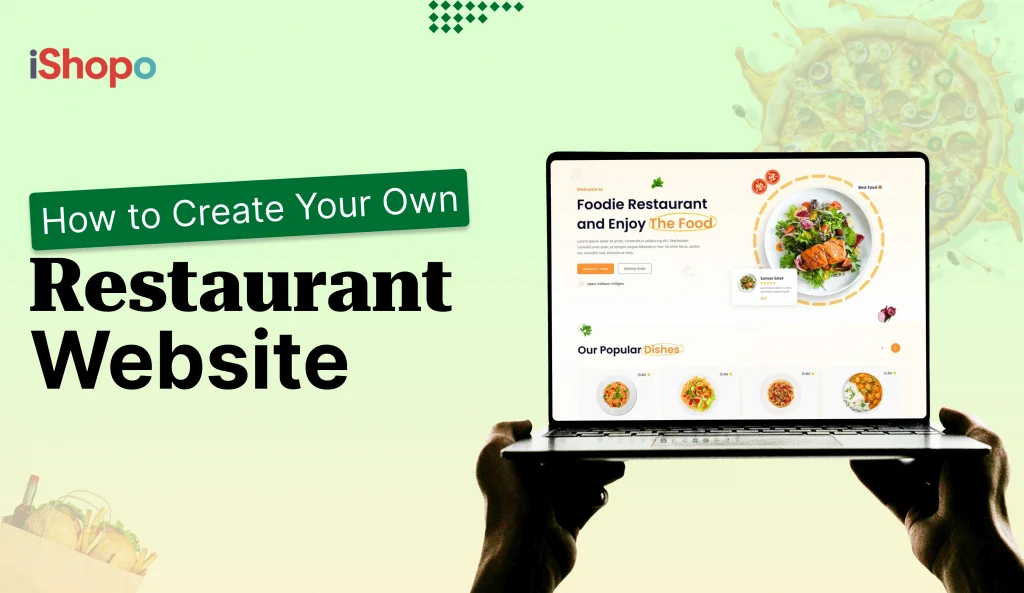
The Real Guide 2026 covers the creation of a restaurant website that works well, looks nice, is SEO friendly, and is focused on getting conversions, along with all the other necessary features. The guide will teach you the way to plan, design, construct and optimize a website for making reservations, taking online orders, brand loyalty, and growing with time.
- In 2026, a restaurant’s first impression begins online, not on-site.
- A modern website guides decisions, increases online orders, and builds trust.
- Social media supports visibility but cannot replace a restaurant’s controlled website.
- Effective websites require SEO, mobile performance, ordering systems, and strong branding.
- AI chatbots, QR menus, loyalty programs, and predictive ordering are essential features.
- Ishopo builds restaurant websites designed to convert visitors into loyal customers.
- In 2026, people use online reviews to check out a restaurant before going there, so having a website is the new way of making a first impression and the main brand interaction touchpoint.
- Having a modern website plays a major role in the decisions; online orders, safety, and trust are then built and thus the potential customers might opt for your restaurant instead of the competitors.
- Even though social media uses the internet to get the word out, it still falls short of having its own structure, being tailored to individual needs, and providing a complete range of services; hence, it cannot fully take over a specialized restaurant site.
- Restaurant websites are competent only if they have SEO, quick mobile-friendly online ordering, fast loading, and clear branding; then they can effectively attract, engage, and convert customers.
- The user experience is simply amazing due to the advanced features like AI chatbots, QR menus, loyalty programs, and predictive ordering; as a result, the customer retention rate and order frequency have gone up significantly.
- Ishopo designs first-class restaurant websites that are conversion-optimized, allowing businesses to quickly turn their online visitors into loyal customers and thus obtain revenue that is sustainable growth.
Why a Restaurant Website Matters in 2026
The restaurant sector has undergone significant changes, digitization being the major factor. Now digital platforms have become the main source of information and communication for the customers. They:
- Search for cuisines and restaurants online.
- Before going outside for shopping, compare various menus with the prices.
- It is wise to compare varieties of menus and prices along with reviews.
- Expect online reservations or ordering options.
- Make decisions based on digital experiences.
A food business without an online platform is at great danger of losing its client base to other businesses that have a well-established online presence. It is true that you can use social media platforms to reach your customers, but these channels are not able to substitute a proper website, since:
- Social profiles have limited features.
- You do not own the platform or audience.
- Design, branding, and storytelling options are restricted.
- You cannot integrate full ordering or reservation systems smoothly.
Basically, a restaurant platform is the one that gives the business complete power over their branding, messaging, serving the menu, guest experience, and online money-making methods. A restaurant website can be the major factor in trust building, becoming a recognized brand, and eventually turning the site visitors into real customers.
What Makes a Modern Restaurant Website Different?
In the past, the website of a restaurant was merely a digital brochure that presented only the bare essentials, such as the address, maybe some pictures of the food, or the phone number. However, consumer demands in 2026 are very different and much higher than before. A modern restaurant website must:
- Present a clear brand identity that reflects your cuisine and environment.
- Include digital or interactive menus.
- Offer online ordering or table reservation systems.
- Display real photographs, videos, and customer reviews.
- Incorporating marketing tools and analytics.
- Display quickly and work perfectly on mobile devices.
- It should support high visibility to search engines (SEO).
The advancement has transformed the nature of restaurant websites by turning them into digital ecosystems that not only retain customer interaction but also generate a continuous flow of revenue.
Also Read: How to Create a Restaurant Ordering Website
Step-by-Step Guide to Create Your Restaurant Website
A thorough and usable procedure is presented here, which can be adopted by any restaurant regardless of its size, service style, or type of food to create a prominent website. These directions make sure that your online presence is organized, interesting, and most importantly, profitable for you in terms of customer attraction, order drive, reservation increase, and brand identity fortification.
Step 1: Define the purpose and goals of your website
Before mapping a white paper or deciding on technological matters, to that end, what purpose would your site serve? Want to:
- Showcase your menu?
- Accept online reservations or orders?
- Highlight catering or event services?
- Build a digital brand presence?
- Increase footfall or online sales?
For example, a fine dining restaurant would probably feature its food philosophy, chef profile, and ambience; on the other hand, a fast-food restaurant may focus mainly on the fast ordering, promotions, and delivery services. When you keep the importance of the plan of action in mind, sight and integration and a purpose gain bigger importance in the end.
Step 2: Choose a Memorable Domain Name
A domain name is a reflection of an online identity. Hence, it must present:
- Short and easy to type.
- Closely related to your restaurant’s name.
- Free from numbers, symbols, or confusing spellings.
A local extension like .in or .co.uk is great if you are working locally, whereas .com is still the most trusted and widely recognized option globally.
A powerful domain facilitates brand recall and is beneficial for search engine rankings.
Step 3: Select the Right Platform
The selection of a website platform will impact the smoothness of your site building, updating, and scaling processes. Typically, restaurant websites make use of the following platforms the most:
| Platform | Suitable For | Advantages |
| WordPress | Restaurants wanting full customization | Huge plugin library, strong SEO, adaptable |
| Wix | Small eateries or owners with little technical skill | Easy drag-and-drop interface |
| Squarespace | Design-Centered Eateries | Polished templates with visual appeal |
| Shopify | Restaurants with delivery-first models | Strong e-commerce features |
| Custom-built website | Chains or brands with advanced needs | Tailored features and unlimited scalability |
WordPress is always the answer for those who seek to balance the triple art of flexibility, value, and performance.
Step 4: Select a Restaurant-Optimized Theme
The collection consists of your website’s appearance and the user experience. A good restaurant theme should:
- Load within seconds.
- The mobile-friendly design is mandatory.
- Bring your menu to the center stage.
- Allocate areas for visuals and actions to be taken.
- Imitate the character of your eatery.
Minimalist themes can be extremely powerful with luxury dining, while a fast-food brand is much more likely to gain from a loud and dynamic arrangement. No matter what, the main function of your theme should be to facilitate the user rather than beautify the page. There should be no doubt in the minds of the customers as to what they have to do next.
Step 5: Build Core Website Pages
These pages are absolutely necessary for any restaurant website to be considered successful: the homepage, which is visually striking; the menu, which is detailed and with the prices mentioned; a system for online reservation or ordering; a section about us; a contact page with a map; a photo gallery; customer reviews; an events or specials page; and FAQs for answering the most common questions and gaining the visitors’ trust.
Home Page
The home page needs to be explicit about the restaurant’s offerings, its location, and the desired user action straight away. A powerful title, attractive images, and an unambiguous connection to ordering or booking are all necessary.
Menu Page
Say goodbye to the laggy, hard-to-search static PDF menus and switch to the digital menu of your restaurant. It can be viewed in different ways, like by descriptions, prices, dietary notes, and categories. Furthermore, enable customers to do sorting or make custom orders, if that is feasible.
About Us Page
Tell your story. The provenance of materials, the skill of a chef, the sources of a dish’s conception, and the dining concept contribute to the emotional bond. People like to rock the boat and choose the ones that are human.
Order Online or Reservation Page
Customers expect instant access to services. Provide a straightforward interface that helps them book a table or place an order without unnecessary steps. Keep payment processes secure and simple.
Gallery Page
Real photographs of dishes, interiors, and events increase trust. Avoid stock images. Authentic visual storytelling helps customers imagine the dining experience before they arrive.
Contact Page
Your phone number, email, working hours, map location, directions, and delivery coverage should all come as one package. Make it possible for clients to contact you without any delay.
Step 6: Add High-Quality Visuals
Marketing of restaurants is extremely dependent on visuals as an important factor. Superb food photography gives rise to appetite, and images of the ambience set the right expectations. Use:
- Natural lighting for dishes.
- Real customers and staff when possible.
- Multiple angles for signature items.
- Videos showing cooking, plating, or the dining environment.
Professional visuals significantly increase engagement and conversions.
Step 7: Enable Online Ordering and Reservations
Digital convenience has become a standard expectation. Integrate systems for:
- Table bookings with real-time availability.
- Delivery or takeaway ordering.
- Secure payment gateways supporting cards, UPI, wallets, or loyalty points.
- Customer profiles that store preferences.
Step 8: Optimize for SEO
Search visibility determines whether customers discover your restaurant online. Focus on:
- Primary keyword: restaurant website
- Location-based terms such as best restaurant in [city]
- Menu-specific keywords such as “pasta restaurant” or “vegan food place”
- Proper meta titles and descriptions
- Fast loading speed and mobile performance
Local SEO is especially important, as most diners search within their vicinity. Ensure your map listing, business hours, and reviews are accurate.
Step 9: Add Trust Signals
Customers need reassurance before making dining decisions. Include:
- Reviews from credible sources.
- Star ratings from platforms like Google.
- Media mentions or awards.
- Photographs of your chefs and team.
- Clear hygiene and certification details.
Elements of trust mitigate confusion and increase call-ins.
Step 10: Feedback, Enhance, and Modify
A successful restaurant website is never finished. Keep a close eye on user behavior, performance metrics, and sales conversions on a regular basis. If you want to represent your business as a lively one, then you should not stop changing your seasonal menus, promotions, offers, and also the look of your business. When the restaurant grows, start using the new features, such as event booking or catering inquiries.
Read Also: How Food Online Ordering Systems Empower Restaurants
Advanced Features for Restaurant Websites in 2026
Today, restaurant websites cannot be compared to mere digital brochures, as they are functional platforms that have a substantial impact on customer choices, facilitate the process of orders, and enhance brand loyalty. In an environment where competition is intensifying, it is imperative for restaurants to implement contemporary, smart features that not only make the customer experience more comfortable but also lead to more sales and less work for the operational side of the business. The following innovations are redefining restaurant websites in 2026:
1. AI-powered chatbots for immediate assistance
No limitations are observed when it comes to the conversation topics with these chatbots. They can do the following – recommend meals that suit the persons’ diets, inform customers about current discounts, handle complaints, and furnish instant information regarding order tracking. AI improves customer interactions and slowly reduces its dependence on human labor while being able to provide support 24/7.
2. Ordering system that predicts customers’ choices based on preferences
The predictive algorithms are utilized by this system to have a clear insight into user behavior, where the likes in food, the time of ordering, and the list of items that are bought frequently are the main factors. To illustrate, if a customer has a habit of ordering breakfast at 9, the website might show up deals related to breakfast at that specific time. With these personalized offers, even more customers are drawn to buy the same product, and in addition, the related items are sold without even asking.
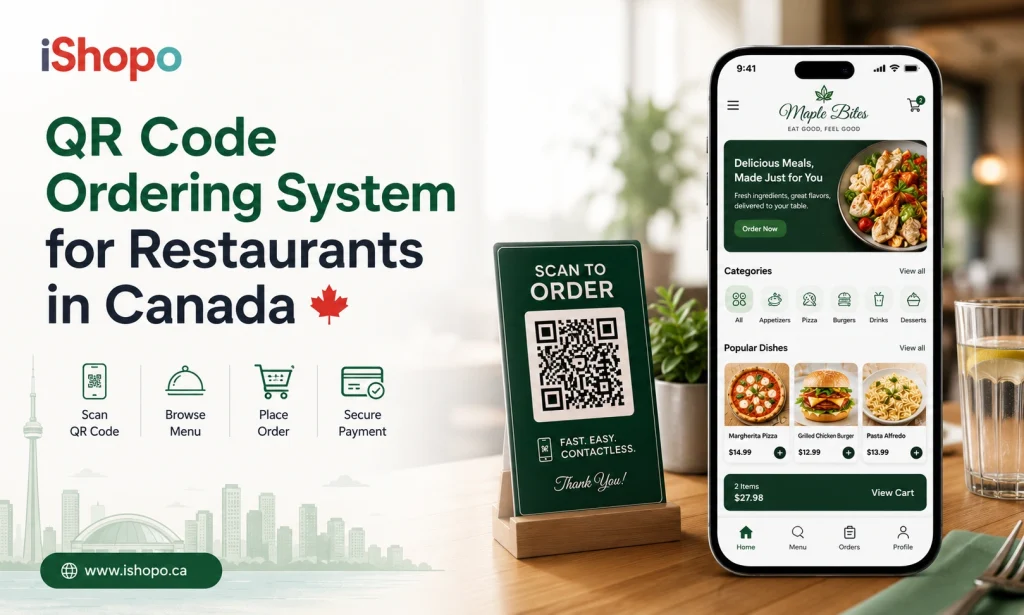
3. Digital menu activated through QR code for users dining in
The menu based on QR code technology has done away with printed menus and opened up the possibility of dynamic control. Simultaneously, restaurants now have the ability to adjust their prices, introduce seasonal specials, remove items that are not available, and display their favorite dishes. Moreover, it enables customers to verify the allergens present in the dish, the size of the serving, the chef’s suggestions, and the nutritional information, thus making the process of choosing the right dish more transparent and debatable.
4. Customer loyalty programs effortlessly fused with the site
Integrated loyalty systems automatically reward points for orders, visits, or referrals without any manual tracking. Customers receive personalized offers, birthday coupons, and exclusive rewards, enhancing emotional connection with the brand. This system increases lifetime customer value and makes each order more profitable.
5. Management of multiple locations for expanding restaurant brands
For restaurant chains, a centralized dashboard controls menus, discounts, staff access, delivery zones, and analytics for each outlet. This ensures brand consistency while allowing localized adjustments. For example, a coastal branch may highlight seafood specials, while an urban outlet focuses on quick takeaway meals.
Also Check: Top Restaurant Review Sites Every Restaurant Owner Should Know
Common Mistakes to Avoid
Despite investing in websites, many restaurants fail to convert traffic into orders due to strategic and technical oversight. Understanding these mistakes is crucial to avoiding revenue leakage and customer dissatisfaction.
1. No clear call to action or ordering link
Customers visit restaurant websites primarily to view menus and place orders. If “Order Now,” “Reserve Table,” or “Call Us” buttons are hidden or unclear, users leave quickly. Strategic placement of CTAs improves user flow and eliminates friction in the decision-making process.
2. Overly complex navigation
Customers expect simplicity. If essential information like the menu, pricing, locations, or offers is buried inside multiple clicks, users abandon the site. Restaurants must structure content logically so customers reach their desired page in seconds.
3. Poor mobile performance
Over 70% of restaurant searches happen on mobile devices. If the website loads slowly or elements overlap, potential customers shift to competitors. Mobile responsiveness, fast page load speeds, and thumb-friendly buttons are now industry standards, not added features.
4. Outdated menus or incorrect prices
Nothing frustrates customers more than discovering a dish is unavailable or costs more than advertised. This instantly reduces trust, increases complaints, and impacts reviews. Real-time updates ensure the website always reflects accurate information.
5. Heavy files and slow-loading images
High-quality food photos are important, but oversized images slow the website and lower search rankings. Modern optimization techniques ensure visual appeal without compromising speed—a critical factor in customer retention.
6. No SEO or local search strategy
Even a perfect website fails if customers cannot find it. Restaurants that ignore local SEO miss out on customers searching phrases like “best pizza near me” or “Chinese delivery.” Optimizing listings, keywords, location pages, and Google Maps visibility ensures discoverability.
Read Also: Benefits of Commission-Free Ordering Systems
Conclusion
In 2026, a restaurant website is no longer optional; it is the primary touchpoint where customer decisions are made. Diners explore menus, check reviews, compare prices, and evaluate trust long before visiting the restaurant in person. A professionally designed website does more than display information; it influences customer perception, simplifies reservations and online orders, showcases your brand, and becomes a continuous source of revenue.
To stay competitive, restaurants must treat their website as a business tool, not a digital brochure. The right features, online ordering, mobile-optimized layouts, secure payments, and strong SEO, transform casual visitors into loyal customers and ensure consistent growth.
For restaurants seeking a reliable partner to build such a system, iShopo offers specialized digital solutions tailored to the food industry. Their expertise ensures your restaurant website not only looks appealing but also functions efficiently and drives measurable results. With Ishopo, your restaurant gains the digital foundation needed to thrive in today’s competitive market.
FAQs
1. Are websites necessary for restaurants that already have social media pages?
Yes, you are correct. Visibility can be significantly enhanced through social media, but it cannot take the place of a website. Websites give complete management power over branding and menus and also let you manage reservations, online ordering, and customer data, which are all unheard of on social sites.
2. What is the price of a restaurant website?
Pricing depends on design, features, and platform. A simple website can be started with a small budget, while websites with online ordering, payment systems, and integrations will require more money. Nevertheless, the long-term profit will be much higher than the initial cost.
3. Am I able to change my restaurant menu without the need for technical knowledge?
Surely. Most of the modern website builders and content management systems allow the restaurant owners to do all the changes related to the menu items and prices as well as the uploading of pictures without involving any programming. The likes of WordPress, Wix, and Squarespace are set up in such a way that users can do updates with ease.
4. Which features are necessary for a restaurant website to be successful?
The primary features include an electronic menu, an online reservation or ordering system, contact details, map integration, top-quality photos, client testimonials, and a mobile-friendly layout. These features do not only make the site more user-friendly but also significantly increase the conversion rate.
5. How can a restaurant website bring more customers?
A good website that is properly optimized for search engines gets more views as it ranks higher in search results, wins your potential customer’s trust with your brand and menu presentation, makes ordering easy, and includes trust-building features such as testimonials and pictures. All of this work together to convince customers to pick your restaurant rather than your competitors’.