
Ready to start small, but strong. This guide shares 15 small restaurant ideas that work with tight budgets, lean teams, and real margins. The goal is simple. Launch fast. Stay profitable.
Start with a clear format and one promise. Pick a niche you can run well. Breakfast rolls. Dum biryani bowls. Vegan salads. Small menus help you move fast and keep waste low.
Build directly from day one. Set up a simple website with online ordering and pickup. Use third-party apps only for discovery. Push repeat guests to your own channel so you keep the margin.
Keep operations light. Standardize recipes, prep lists, and ticket times. Track three numbers daily: orders, average order value, and food cost. If one drifts, fix it in the next shift, not next month.
Demand is solid. The U.S. restaurant industry was forecast to top $1.1 trillion in sales in 2024, a record base for new operators. Customers also prefer to order from you directly. Research shows about 70% want to order from a restaurant’s own site or app, not a third-party.
In this blog, you will get 15 ideas you can open small, ways to sell direct from day one, and simple checklists for cost, staffing, and menu. Each idea includes a quick path to online ordering, so you keep more per order and build repeat business.
- Start small with tight menus and lean teams.
- Use direct online ordering from day one.
- Keep marketplaces for discovery, not repeats.
- Standardize prep and track three daily numbers.
- Optimize seating, flow, and a compact kitchen.
- Choose ideas with low setup cost and quick testing.
- Grow by weekly tweaks, not big resets.
- Direct ordering protects margin, while third-party apps should mainly drive discovery.
- A short, focused menu speeds service, reduces waste, and improves consistency.
- Daily tracking of orders, average order value, and food cost helps you correct courses quickly.
- Layout matters: flexible two-tops, clear signs, and separated pickup paths improve guest flow and turns.
- A compact kitchen works best when stations follow a prep-cook-finish-pass sequence with tools within reach.
- Work-from-café, ghost kitchen, and pop-ups are strong starters due to low rent and quick validation.
- Healthy fast casual and build-your-own bars win on clear labeling, portion control, and repeatable assembly.
- Local-ingredients and farm-to-table formats justify premium pricing when sourcing is visible and seasonal.
- Street food, small plates, and themed micro-shops create variety while keeping operations tight.
- Outdoor seating expands capacity without new walls, but needs weather rules, lighting, and a holding-friendly menu.
- Scale what works: keep marketplaces on, but route repeat guests to your site to own data and loyalty.
3 Ways to Optimize Your Restaurant Layout
Optimizing your layout saves time and lifts sales. Start with seating. Use a mix of two-tops and four-tops that join fast. Keep aisles clear so servers move without bumps. Add hooks and a small shelf at select seats for bags and laptops. Next, fix the flow. Guests should see the host stand, menu, and pickup shelf the moment they enter. Separate paths for dine-in guests, online pickups, and delivery drivers. Clear signs help people move without asking. Now tune the kitchen. Group stations by prep, cook, finish, and pass. Keep tools within arm’s reach. Use multi-use equipment to save space. Label, color-code allergens, and standardize scoops. Review turns per seat and ticket time weekly. Small tweaks compound. For inspiration and formats that fit tight spaces, explore small restaurant ideas and align your layout to the concept you choose.
1. Efficient Seating Arrangements
Plan seats to match demand, not just floor space. Use a mix of two-tops and four-tops you can join fast. Keep aisles wide enough for trays and wheelchairs. Add hooks, bag space, and charging at select seats. Measure table turn time and adjust the mix each month.
- Map heat zones: window seats, booths, bar counter.
- Use lightweight tables you can reconfigure in minutes.
- Leave 18–24 inches between chair backs for smooth movement.
- Park highchairs and stroller space near larger tables.
- Track turns per seat, not just per table.
2. Streamlining Customer Flow
Guests should know where to go without asking. Place the host stand in clear view of the door. Keep queues off busy aisles. Put pickup shelves near the entrance, not at the pass. Separate dine-in, pickup, and delivery driver paths so nobody blocks the line.
- One-way loop: entry → order/pay → wait area → exit.
- Signage at eye level, simple icons, large fonts.
- Self-serve water and condiments to reduce counter crowding.
- Dedicated pickup code signs for drivers and online orders.
- Floor markers during peaks to keep aisles clear.
3. Designing a Compact Kitchen Layout
Small kitchens win with short moves. Group stations by flow: prep → cook → finish → pass. Keep common tools within arm’s reach. Use multi-use equipment (combi oven, plancha) to save space. Label everything, color-code allergens, and set standard portion tools.
- Triangle the heavy hitters: fridge, cookline, pass.
- 0.5 – 1 step between station tasks to cut seconds each plate.
- Vertical storage: wall rails, magnetic strips, over-shelf bins.
- Clear landing zones for hot pans and plated food.
- Daily reset: restock, relabel, and remove clutter before service.
Also Check: Creative Restaurant Marketing Ideas to Fill Seats This Holiday Week
Top 15 Small Restaurant Ideas to Start in 2026
Thinking of opening a small place in 2026. Start with ideas that fit tight spaces, lean teams, and clear menus. This list gives you formats you can launch fast, then scale as you learn. Each concept focuses on three things: low setup cost, simple operations, and direct ordering from day one. You will see what to serve, how to seat, and which tools to use. Keep the menu short. Standardize prep. Track orders, average order value, and waste daily. If a dish drags, cut it. If a channel wins, double down. Use marketplaces for discovery, then guide repeats to your own site for better margins. From work-from-café to ghost kitchens and pop-ups, these Small Restaurant Ideas help you move from plan to plate without guesswork. Pick one, test quickly, and make small weekly improvements. That is how you stay profitable.
1. Work-from-Café Concept
Turn quiet hours into steady revenue with this small restaurant idea. Offer strong Wi-Fi, silent zones, and charging at every table. Sell time blocks with one drink and a light bite. Price a two-hour pass for weekdays, and a half-day pass for freelancers. Keep music soft and seating comfortable. Make rules clear on calls and noise.
Keep the menu tight for speed. Brew standards, a house blend, two teas, and a small cold menu. Add two hot bowls for lunch. Train staff to greet, seat, and upsell a pastry with every coffee. List pickup first on your website so regulars reorder fast. Use a simple loyalty card that rewards weekday mornings. Run a community board for local events. Partner with a co-working group for bundled passes. Review table turn times daily. If seats are full but bills are low, nudge add-ons like sides and mini desserts. The aim is calm service, longer stays, and predictable sales.
- Best for: Weekday traffic and long stays.
- Core offer: Day passes, quiet zone, strong Wi-Fi.
- Menu focus: Coffee, teas, sandwiches, two hot bowls.
- Direct channel: Pickup first on your website, simple loyalty.
- Ops must-do: Clear noise rules, track table turns.
- KPI to watch: Avg bill per seated hour.
2. Ghost Kitchen
Cook for delivery and pickup from a compact space. This fits well among small restaurant ideas that keep costs low. Skip the dining room and focus on kitchen flow. Start with one cuisine and four to six core items. Add seasonal specials only after you stabilize. Standardize prep lists, sauces, and portion tools to keep quality steady. Use color tags for allergens and dietary notes.
Make your website the main channel from day one. Keep marketplaces for reach, but guide repeat buyers to order directly. Show clear photos and exact prep times so drivers do not wait. Pick sturdy packaging that holds heat for 25 minutes. Route close orders to in-house riders where it is cheaper, and longer trips to a courier partner. Track on-time pickup, refund reasons, and cost per drop every week. If a dish drives complaints, fix the recipe or cut it. If a brand lags, retire it fast. Ghost kitchens win with low fixed costs, quick menu tests, and direct reorders that build margin.
- Best for: Low rent, delivery-first launch.
- Core offer: One cuisine, 4–6 hero items.
- Packaging: Holds heat for ~25 minutes.
- Direct channel: Use your website, nudge repeats off apps.
- Ops must-do: Color tags for allergens, fixed prep times.
- KPI to watch: Cost per drop, on-time pickup.
Also Read: Cafe Online Ordering System: Features, Challenges & Setup Process
3. Healthy Fast Casual
Among small restaurant ideas, a healthy fast-casual format works well. Serve bowls, wraps, and salads that guests customize. Offer a grain base, two greens, three proteins, and bright toppings. Keep sauces simple and labeled. List calories and allergens in plain language. Portion with fixed scoops so cost stays steady.
Speed matters. Pre-cut vegetables, pre-marinated proteins, and a clear assembly line keep queues short. Add a half-portion for price-sensitive buyers and kids. Sell office packs for four or six with a small discount on weekdays. Offer a weekly meal box that guests pick up on Monday. Put a short nutrition guide on your menu page. Teach staff to suggest one add-on that lifts the ticket by a few dollars. Rotate one seasonal bowl each month to keep interest. Watch waste on delicate greens and expensive proteins. If a topping lags, drop it. Healthy fast casual grows on trust, clean labeling, and a smooth build-your-own flow that people repeat.
- Best for: Office lunch and family packs.
- Core offer: Bowls, wraps, salads with clear labels.
- Menu control: Fixed scoops for portions.
- Direct channel: Weekly meal boxes, preorder.
- Ops must-do: Fast line, half portions for value.
- KPI to watch: AOV, waste on greens/proteins.
4. Local Ingredients–Focused Kitchen
Among small restaurant ideas, a local-ingredients concept stands out. Build menus around nearby farms and makers. Keep three staples that regulars expect, then rotate two specials by season. Name your suppliers on the menu. Share a weekly sourcing note on your site and at the counter. This supports pricing and builds community trust.
Plan by crop cycles. When producing peaks, pickle, freeze, or jar for later. Use one base sauce across two dishes to keep prep tight. Train staff to explain what is fresh today and why it tastes better. Offer a small pantry shelf with farm eggs, jams, and loaves. Set a preorder window for weekend sets so you can buy on demand. Keep a lean waste log and change portions if plates come back half full. If a farmer has surplus, craft a special around it. Local kitchens work when guests feel the story, taste the season, and see care in small details.
- Best for: Seasonal menus and premium pricing.
- Core offer: 3 staples + 2 rotating specials.
- Merch: Small pantry with jars, loaves, eggs.
- Direct channel: Weekly sourcing note on site.
- Ops must-do: Plan by crop cycles, preserve surplus.
- KPI to watch: Gross margin by dish, waste log.
5. Bakery Café Hybrid
Among small restaurant ideas, a bakery-café hybrid is a strong pick. Bake early, sell all day. Lead with breads, croissants, and a couple of sweets. Pair them with coffee, soups, and two simple sandwiches. Offer preorders for weekend brunch boxes. At closing, run a short discount window to cut waste. Keep the oven schedule tight. Use one base dough for multiple items where possible.
Make lines move. Train staff to box pastries fast and take hot drink orders at the same time. Place a small retail shelf with butter, jams, and brewing gear to lift basket size. Promote corporate breakfast trays on weekdays with delivery before 9 a.m. Photograph products in natural light and keep the online menu clean. Track sell-through by hour. If one item lags daily, reduce the batch. If a hit sells out by noon, bake more earlier. Your edge is fresh aroma, friendly service, and reliable bakes that bring people back.
- Best for: Morning traffic, corporate trays.
- Core offer: Breads, viennoiserie, coffee, 2 sandwiches.
- Inventory: Tight oven schedule, end-of-day markdown.
- Direct channel: Preorder brunch boxes online.
- Ops must-do: Speedy boxing, dual-task drink queue.
- KPI to watch: Hourly sell-through, stockouts.
6. Build-Your-Own Meal Bar
Among small restaurant ideas, a build-your-own meal bar is a smart choice. Let guests assemble meals in simple steps. Show bases first, then proteins, then toppings, then sauces. Use fixed scoops and color-coded utensils for portions. Price three tiers by protein choice. Offer a kids box and a light box for smaller appetites.
Online, use a visual builder that mirrors the counter. Save favorites for one-click reorders. Bundle a drink and side at a small discount to lift the average order value. Prep in small batches so ingredients stay bright. Rotate one hero topping weekly to add novelty without new training. Keep the line clean and the labels clear. If rush times drop speed, assign one staffer to greet and guide choices. Watch waste on toppings with a short shelf life. Drop low movers fast. Build-your-own wins on control, speed, and the comfort of getting exactly what you want.
- Best for: Control seekers and families.
- Core offer: Base → protein → toppings → sauce.
- Menu control: Color-coded scoops, 3 price tiers.
- Direct channel: Visual builder, save favorites.
- Ops must-do: Small-batch prep to stay fresh.
- KPI to watch: Throughput per minute, topping waste.
Read Also: Why Every Restaurant Needs an Ordering App
7. Themed Micro-Restaurant and Shop Combo
Among small restaurant ideas, pick one tight theme and stick to it. For example, homestyle Korean plates with a corner pantry. Sell sauces, snacks, and cookware that match the menu. The shop lifts without a large kitchen. Keep the seating small and cozy. Use shelves to display goods and signal the theme.
Plan a tiny tasting set each month to showcase new items. Host short evening classes on slow days. Offer bundle discounts when guests buy a sauce with the dish that uses it. Photograph step-by-step uses for your products and attach QR codes at the shelf. Manage stock in small lots so cash is not stuck on slow sellers. If a product moves fast, place it near the checkout. If a dish drags, teach staff a one-line story that makes it easier to try. This format blends food and retail, gives multiple revenue lines, and builds a loyal niche.
- Best for: Niche audiences and retail add-ons.
- Core offer: Tiny menu + matched pantry goods.
- Merch: Bundles (dish + sauce).
- Direct channel: QR how-to cards to recipes.
- Ops must-do: Small-lot inventory, fast rotation.
- KPI to watch: Retail attach rate, $ per cover.
8. Street Food–Inspired Eatery
Among small restaurant ideas, a street food–inspired eatery works well. Choose three classics from one city or region and master them. Prepare marinades, chutneys, and pickles in advance. Keep the cooking line simple. One grill, one fryer, one flat top. Design plates that hold for ten minutes without losing texture. Price a combo that moves the queue faster.
Make the space lively. Add a standing counter and quick pickup shelves. Offer a snack hour in the late afternoon to use the line between lunch and dinner. Use a QR code for reorders and a short video that shows how you cook. Test a new item as a weekend special before adding it. Track service times. If a dish slows the line, adjust the cook or cut it. Street food thrives on smell, speed, and a small menu that feels bold. Keep the energy high and the food consistent.
- Best for: High turnover, bold flavors.
- Core offer: Three classics, combo pricing.
- Space: Standing counter, quick pickup shelf.
- Direct channel: QR reorders, weekend testers.
- Ops must-do: One grill/fryer/flat top flow.
- KPI to watch: Ticket time, refund rate.
9. Small Plates and Sharing Dishes
Among small restaurant ideas, a small-plates concept is a smart pick. Offer eight to twelve plates designed for sharing. Guests taste more while you control portions and cost. Balance hot and cold items so the kitchen flows. Set a simple pairing card for wine, beer, or house sodas. Keep a chef’s special each week to add freshness.
Train for synchronized plating at peak hours. Use timers and a clear pass so dishes leave together. Price a set for two and a set for four to make ordering easy. Encourage guests to start with two plates, then add as they like. Watch table time and nudge dessert or coffee to improve turns. Keep photos tight and honest. If a plate comes back often, fix it or retire it. Small plates shine when service is smooth and flavors stay focused.
- Best for: Groups and date nights.
- Core offer: 8–12 plates, weekly chef special.
- Menu control: Sets for two and four.
- Direct channel: Prebook tastings, upsell pairings.
- Ops must-do: Synchronized plating, clear pass.
- KPI to watch: Table turn time, plates per cover.
10. No-Menu Restaurant
Among small restaurant ideas, a no-menu format can shine. Write the day’s menu on a board and publish it on your site by 10 a.m. Buy what is fresh and design three mains with two sides. Keep a fixed price per plate and a small add-on list. Offer simple substitutions for common allergens. This model needs trust, so show your sourcing and prep.
Plan prep to move fast. Pre-cook base grains, braise in batches, and finish on order. Use one sauce across two dishes to reduce steps. Encourage preorders for takeout to smooth the rush. Educate staff to explain the menu story in two lines. Track sales by item and waste each day. If a dish sells out early, scale it next time. If something lingers, remove it tomorrow. The no-menu format rewards freshness, skill, and a calm guest experience.
- Best for: Chef-led, freshness-first concepts.
- Core offer: Daily board, fixed price per plate.
- Preorder: Publish menu online by 10 a.m.
- Direct channel: Takeout preorders to smooth rush.
- Ops must-do: Batch bases, finish on order.
- KPI to watch: Sell-out timing, daily waste.
Also Read: Top Restaurant Review Sites Every Restaurant Owner Should Know
11. Community-Driven Restaurant
Among small restaurant ideas, a community-driven restaurant builds loyal traffic. Tie your calendar to local life. Host school nights, charity dinners, maker markets, and music evenings. Offer family trays that guests can prebook for pickup. Create a community table and post open seats online. Invite local groups to adopt a night each month.
Use email lists to announce slots and specials first to locals. Share photos of partners and thank them by name. Track which events lift sales and repeat visits. Keep a simple sponsorship budget and measure outcomes. Community focus works when you show up often, keep promises, and make booking easy. It is not about deep discounts. It is about habit and connection. Keep operations tight on event nights. Assign one lead to run the floor and one to handle preorders. Small, regular events that fit your kitchen will beat one large, stressful party.
- Best for: Neighborhood traffic and loyalty.
- Core offer: School nights, charity events, family trays.
- Calendar: Monthly partner slots.
- Direct channel: Email first for locals.
- Ops must-do: Event leads, preorder management.
- KPI to watch: Repeat rate by group, event ROI.
12. Solo Diner-Friendly Restaurant
Among small restaurant ideas, design for comfort and speed. Add counter seats with hooks and charging. Place two-tops with space for a bag. Offer half portions and tasting trios so solo guests try more without overspending. Train staff to greet solo diners first and serve water quickly.
Make ordering smooth. Enable fast single-meal checkout on your site. Offer a bundle with a drink and a small dessert at a clean price. Keep service timing predictable. Seat, serve, and settle without long waits. Share clear Wi-Fi details but keep volume low. Solo diners value calm, good lighting, and friendly attention that is not intrusive. Track dwell time and adjust seat mix if lines form. Promote late lunch and early dinner slots to spread demand. This format fills seats that might sit empty and builds loyal, frequent guests who come back weekly.
- Best for: Urban workers and students.
- Core offer: Counter seats, half portions, tasting trios.
- Comfort: Hooks, charging, clear Wi-Fi.
- Direct channel: One-click single-meal checkout.
- Ops must-do: Predictable timing, greet solo first.
- KPI to watch: Dwell time, seats filled at off-peak.
13. Farm-to-Table Haven
Anchor your menu in nearby farms, dairies, and mills. Build a prix fixe that rotates with harvests. Tell producer stories on cards and online. Price for quality and experience. Guests will pay for freshness and craft when they can see the care.
Set preorder windows for weekend sets so you buy smart. Add a tiny pantry with broths, pickles, breads, and seasonal jars. Use classic techniques to reduce waste, like confit and stock. Train staff to describe dishes in simple words. If a supplier has a bumper crop, craft a special around it and promote on your site. Keep kitchen tools basic but sharp. One grill, one oven, one plan. Farm-to-table works when you act as a bridge between growers and guests, and when every plate matches the season outside.
- Best for: Prix fixe and storytelling.
- Core offer: Seasonal sets, producer features.
- Pantry: Broths, pickles, breads for margin.
- Direct channel: Weekend set preorders.
- Ops must-do: Classic preservation to cut waste.
- KPI to watch: Food cost %, preorders per service.
14. Pop-Up Dining Experience
Among small restaurant ideas, a pop-up dining experience is powerful. Use borrowed spaces or your own off-nights to host time-boxed dinners. Sell limited seats and fixed menus. Collect emails at booking and follow up after. Test themes without long leases. Rotate menus monthly and invite guest chefs to add buzz.
Plan logistics tightly. Set call times, plate maps, and a minute-by-minute service plan. Photograph dishes in the test run and post early. Price fairly and include service in the ticket if it suits your area. After each pop-up, review feedback, costs, and timing. Cut what dragged, keep what guests loved. Pop-ups build your brand, grow your list, and let you learn fast without large risks. When a theme hits, consider moving it to a permanent slot or a small location.
- Best for: Testing themes without leases.
- Core offer: Limited seats, fixed menus.
- Funnel: Collect emails at booking.
- Direct channel: Prepaid tickets on site.
- Ops must-do: Minute-by-minute run sheet.
- KPI to watch: Seat fill %, feedback score.
Read Also: How to Create Online Ordering for Restaurant: A Setup Guide
15. Maximize Outdoor Spaces
Among small restaurant ideas, maximizing outdoor spaces can lift revenue fast. Turn patios, sidewalks, and courtyards into real seats. Invest in sturdy furniture, shade, and warm lighting. Keep an outdoor menu that holds heat or stays crisp. Use covered pass-throughs for speed. Offer blankets and warm drinks in cooler months.
Take table bookings for peak hours to plan staffing. Use planters to guide flow and improve comfort. Add a small outdoor counter for drinks and snacks that guests can grab without a full meal. If street rules allow, set a tiny stage for acoustic sets on quiet nights. Track weather, turns, and spend by seat. Close the space when wind or rain hurts food quality. Outdoor seats expand capacity without new walls, and they create a relaxed mood that brings people back.
- Best for: Capacity lift without new walls.
- Core offer: Patio menu that holds heat/crisp.
- Comfort: Shade, lighting, blankets in cool months.
- Direct channel: Outdoor table bookings online.
- Ops must-do: Weather rules, pass-through speed.
- KPI to watch: Turns per seat, weather impact.
The platform to make these ideas profitable: iShopo
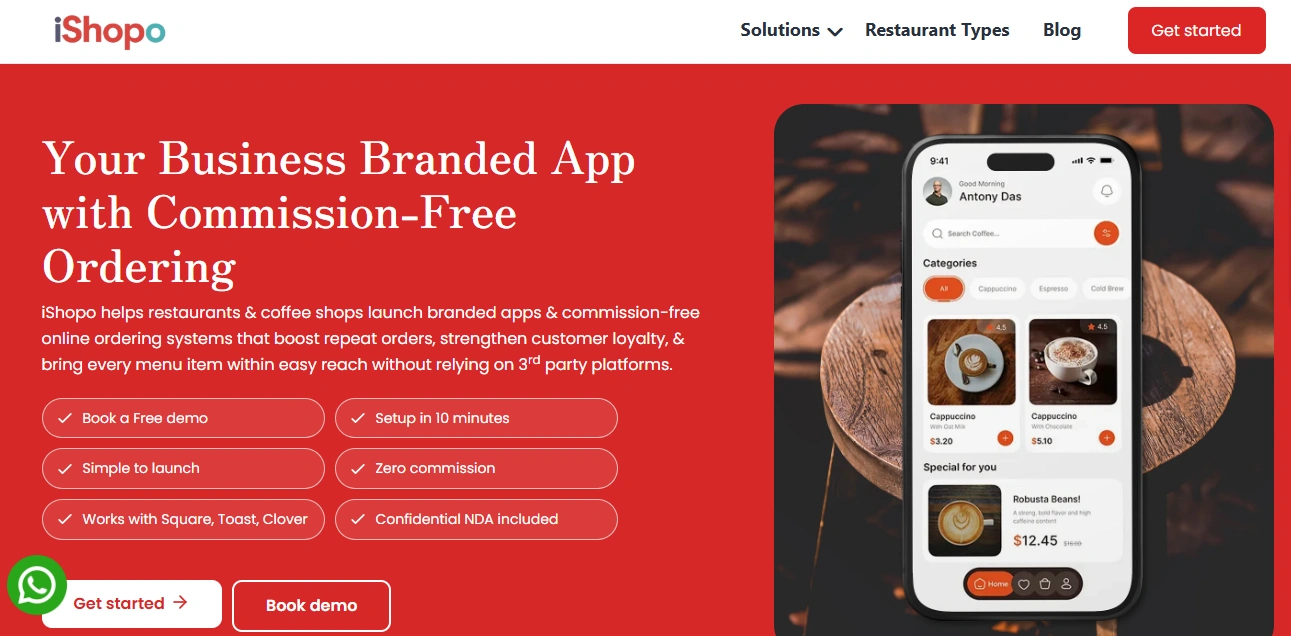
We have covered the small restaurant business ideas that are trending, which you can start. Now let’s look at a platform that can help turn those ideas into a successful restaurant business: iShopo.
iShopo helps you set up online ordering for your food businesses. It’s perfect for restaurants, cafés, bakeries, takeout spots, and other food businesses.
With iShopo, you can:
- Establish a user-friendly and easy online ordering system.
- Create a personalized web-based menu with options, tags, and live updates.
- Manage your delivery schedule, including flexible pickup and delivery times.
- Sell more with smart features such as add-ons, order bumps, and tip prompts at checkout.
Conclusion
A strong small restaurant starts with a clear format and simple rules. Tight menus. Clean flow. Direct ordering from day one. Pick one idea that fits your skills and your street. Write a one-page plan with menu, gear, staffing, and a quick break-even. Open soft, learn fast, and fix issues in week one. Track three numbers daily: orders, average order value, and waste. If any slips, change a small thing the very next shift. Use marketplaces for discovery, then guide repeat buyers to your site. That is how you keep margin.
Seat design and kitchen layout matter. Use two-tops you can join, clear signs, and a short path from pass to pickup. Standardize prep and use multi-use equipment to save space. Offer one or two bundles to lift ticket size. Keep photos honest and update them often. Invite feedback and act on it.
In the end, success is habits. Review weekly, trim weak items, and invest in what guests love. If you need a starting point, revisit these small restaurant ideas and choose one that you can run well with a small team. Start small, stay focused, and grow with steady, simple steps.
FAQ’s
1. Which type of restaurant is most profitable?
Formats with low rent and tight menus: ghost kitchens, work-from-café, and fast-casual bowls. Fewer seats, faster turns, and direct online ordering keep margins healthy.
2. What is the best food business to start?
Start one you can run with a small team and shared prep: build-your-own bowls, bakery-café, or street-food combos. Launch with direct ordering and one delivery radius.
3. What food restaurant makes the most money?
High-volume, simple menus win: pizza, burgers, tacos, and bowls. Strong delivery/pickup and upsells (sides, drinks) lift ticket size with minimal extra labor.
4. What is the most profitable meal to sell?
Items with low food cost and easy batching: pasta, rice bowls, soups, sandwiches, and pizzas. Add-ons like fries, dips, and beverages raise AOV quickly.
5. What independent restaurant makes the most money?
Ones that own their channel, run lean labor, and keep waste low. Think fast-casual or street-food formats with strong takeout, tight SKUs, and repeat locals.
6. What makes a small restaurant successful?
Simple menu, consistent speed, and direct ordering. Track orders, AOV, and waste daily, adjust weekly, and build habits with loyalty and clean reorders.