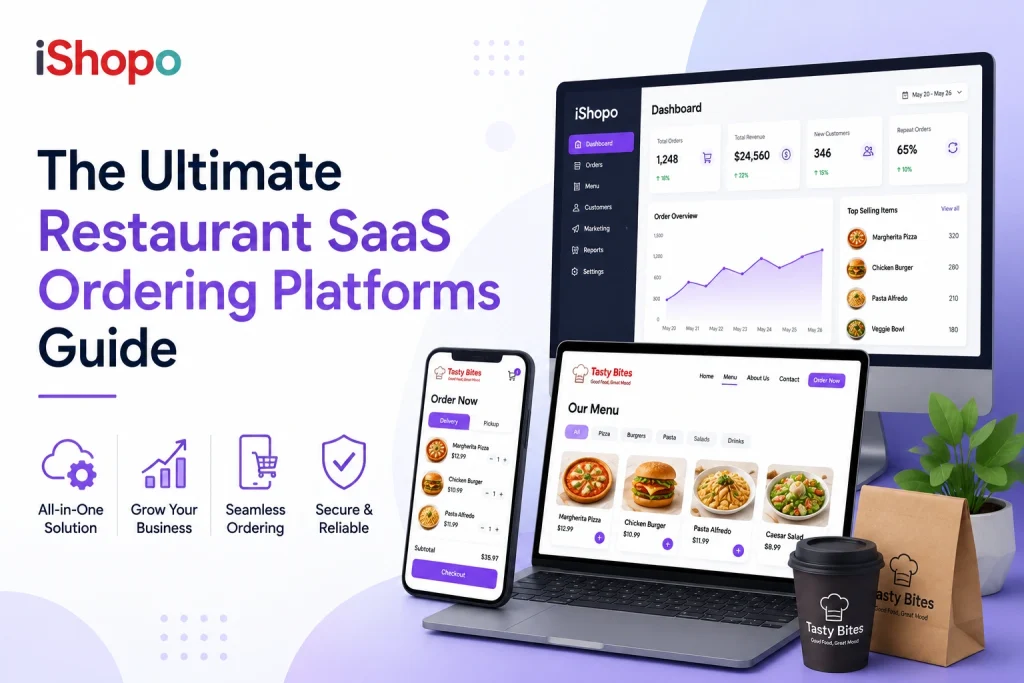

Gone are the days when orders in restaurants used to take place in-person only. With the expansion of internet and mobile phones throughout the world, the online channels have started gaining traction.
Many owners still feel unsure about bringing more tech into their restaurant. It sounds heavy, expensive, or confusing at first. However, the fact is that customers are already residing in that digital world.
Now, the method of ordering food is similar to that of booking rides or shopping online, i.e., it is done quickly and without the need to wait.
That shift has pushed SaaS ordering platforms into the spotlight. These tools connect menus, orders, and payments in one place, cutting out extra steps that slow everyone down. When used right, they feel less like software and more like a helpful teammate.
This guide breaks everything down in plain words. How these platforms work, why restaurants depend on them now, and what really matters when choosing one. Let’s get started.
TL;DR
- SaaS ordering platforms help restaurants handle orders without chaos.
- They reduce mistakes by sending orders straight to the kitchen.
- Staff feel less pressure during busy hours.
- Customers order faster and with more control.
- The right platform supports steady restaurant growth.
Key Points
- SaaS ordering platforms connect menus, orders, and payments in one place.
- Customers now expect smooth digital ordering as normal.
- Restaurants gain clear data without extra effort.
- Staff work more calmly when systems stay organized.
- Choosing the right platform matters more than chasing features.
Understanding How a SaaS Ordering Platform Works
A SaaS ordering platform is available online and is the way to link your menu, orders, and payments all in one place. Customers place their orders via a website or an app, and the system delivers them directly to your kitchen. You handle the updates in a very simple manner, without the need for software installation or being concerned about manual system upgrades.
Here’s a simple breakdown of how the process actually flows in real life.
- Customers can browse the full menu, customize items, and confirm orders at their own pace without waiting, rushing, or talking to staff during busy restaurant hours.
- Once an order is placed, it appears on the kitchen screen right away, removing delays, misheard details, and the need for repeated phone conversations.
- Payments go through securely at checkout and update the system on their own, saving staff time and avoiding manual payment tracking or end-of-day confusion.
- When prices or items change, customers see the latest menu instantly, which prevents ordering unavailable food and reduces awkward explanations later.
- Order history, sales details, and customer activity remain available in the system, making reviews and planning easier whenever needed.
When ordering flows this smoothly, kitchens stay calm and customers feel confident from the first tap to the last bite. It’s a simple shift that quietly makes daily restaurant life easier for everyone involved.
Also Read: Everything About Restaurant Digital Ordering Software
Why Modern Restaurants Rely on SaaS Ordering Platforms Today?
Modern restaurants rely on SaaS ordering platforms because customer habits change quickly. People prefer quick digital orders over calls or waiting in line. These systems help restaurants manage pressure during busy hours while keeping orders clean, accurate, and easier for staff to handle daily.
Here are the main reasons restaurants are leaning toward these platforms today.
- Customers Expect Faster Ordering: Most customers now want speed and control. They like browsing menus, customizing items, and paying without talking to anyone. SaaS ordering platforms meet this expectation by offering smooth, self-guided ordering that feels natural and saves time for both sides.
- Staff Workload Feels More Balanced: Handling phones, counters, and online orders together can overwhelm teams. These platforms bring everything into one flow. Staff focus more on food and service instead of repeating orders, fixing mistakes, or juggling too many tasks at once.
- Business Decisions Become Clearer: SaaS ordering platforms quietly collect useful order data. Restaurants can see popular items, busy hours, and repeat customers. This helps owners make smarter menu and pricing choices without guessing or relying only on daily experience.
Major Benefits Restaurants Get from Using a SaaS Ordering Platform
Restaurants do not adopt new systems just for trends. They choose tools that solve daily problems, reduce stress during rush hours, and quietly improve how orders, staff, and customers work together.
1. Fewer Order Mistakes
One of the biggest benefits is accuracy. Orders come directly from customers into the system without someone repeating them over the phone. This reduces wrong items, missing toppings, and confused staff. When kitchens receive clear orders every time, food waste drops, and customers trust the restaurant more. Over time, this small improvement saves money and avoids awkward complaints.
2. Faster Service During Busy Hours
Busy hours feel less chaotic with SaaS ordering platforms in place. Orders arrive in an organized flow instead of all at once from different channels. Staff can focus on cooking and packing instead of answering phones nonstop. Faster service means shorter wait times, happier customers, and fewer angry looks at the counter when things get hectic.
3. Better Staff Focus and Less Burnout
When staff are not stuck juggling phones, paper notes, and screens, they work with more calm. SaaS ordering platforms reduce mental load by keeping everything in one place. This helps new staff learn faster, and experienced staff avoid burnout. A calmer team usually delivers better service without even trying harder.
4. Improved Customer Experience
Consumers really like to control their transactions. They are able to look through menus at their own pace, tweak items, and make an order in a store that is quiet and without any kind of pressure. The supply chain is very efficient in updating the orders and this is very reassuring to the customers who might be otherwise anxious. When customers become calm and have trust in themselves, they keep this experience in their memory as a good one, and consequently, they will undoubtedly make another order without giving it a second thought.
5. Easier Menu and Price Updates
Changing prices or items no longer feels like a big task. SaaS ordering platforms let restaurants update menus quickly without printing new cards or explaining changes repeatedly. This flexibility helps restaurants test new items, remove slow sellers, and adjust pricing based on costs. Small updates become simple instead of stressful.
6. Useful Data Without Extra Effort
These platforms quietly collect helpful data while the restaurant runs as usual. Owners can see best-selling items, peak hours, and repeat customers. SaaS ordering platforms turn daily orders into clear insights. This helps with planning staff shifts, improving menus, and making decisions based on real behavior, not guesswork.
7. Support for Business Growth
As restaurants grow, systems need to grow too. SaaS ordering platforms scale better than manual processes. Whether orders double or locations expand, the system stays steady. This support helps restaurants grow without breaking workflows. Growth feels more controlled, less scary, and easier to manage day by day.
Read Also: How to Start an Online Food Business in Canada
Essential SaaS Ordering Platform Features That Boost Restaurant Growth
Growth does not happen by accident. Restaurants grow when their tools support daily work, reduce stress, and quietly help owners make better choices without slowing service or confusing staff.
- Easy Menu Management: A good platform makes menu updates simple. You should add items, change prices, or hide sold-out food in minutes. No tech skills needed. When menus stay fresh and correct, customers feel confident ordering. Staff also avoid awkward moments by explaining why something listed is not available anymore during busy hours.
- Smooth Online Ordering Experience: Customers should feel comfortable while ordering. Clear buttons, simple steps, and clean screens matter more than fancy design. When ordering feels easy, people finish their purchase instead of quitting halfway. SaaS ordering platforms with smooth flows help increase completed orders and reduce customer frustration without extra effort.
- Fast and Secure Payments: Payment should never feel risky or slow. A strong platform offers trusted payment options and quick checkout. Customers want to pay and move on. When payments work smoothly, restaurants avoid delays, failed orders, and refund issues. This feature builds trust and keeps customers coming back without worry.
- Real-Time Order Tracking: Order tracking helps both staff and customers stay calm. Staff can see what is new, cooking, or ready. Customers know when food is coming. This clarity reduces repeated questions and confusion. SaaS ordering platforms with live tracking keep everyone on the same page during rush hours.
- Mobile-Friendly Design: Many customers order from phones, not computers. A mobile-friendly design is not optional anymore. Buttons must be easy to tap, and text must be easy to read. When mobile ordering works well, customers place orders faster. This simple feature helps restaurants capture more orders daily.
- Customer Data and Insights: Knowing what customers like helps restaurants grow smarter. Platforms collect data like popular items and busy times. Owners can spot patterns without guessing. SaaS ordering platforms turn everyday orders into useful information. This helps with menu planning, staffing, and promotions that actually make sense.
- Loyalty and Repeat Order Tools: Simple loyalty tools encourage customers to return. Saved orders, reward points, or quick reorders make life easier for regulars. These features should feel natural, not pushy. When customers feel recognized, they come back more often without reminders or pressure from marketing messages.
- Easy Integration With Existing Systems: A platform should work well with the tools you already use. Kitchen screens, printers, or POS systems should connect smoothly. When systems talk to each other, staff avoid double work. SaaS ordering platforms that integrate well save time and reduce daily headaches for growing restaurants.
Also Check: How to Build a Branded Restaurant App for Your Business
Top SaaS Ordering Platforms Restaurants Should Consider in 2026–27
Here’s a quick comparison to help you see which ordering platform fits your restaurant style, team size, and daily needs best:
| Platform | Best For | Features |
| iShopo | Restaurants that want full control, strong branding, and zero commission on online orders | Branded online ordering, no commission on sales, full control over menu and customer data, repeat order support, clear reports for smarter decisions |
| iOrders | Restaurants looking for structured order handling and smoother daily operations | Organized order flow, reduced order mistakes, simple menu control, |
| QuickOrders | Small restaurants and teams that need fast setup and easy daily use | Quick installation, simple staff training, clear ordering flow, |
| Square Online | Restaurants already using Square payments who want a familiar online ordering setup | Square payment integration, easy online ordering start, clean and familiar system |
| GloriaFood | New or small restaurants that want basic online ordering without complexity | Quick setup, beginner-friendly system, simple menu management |
| Truffle POS | Growing restaurants that need stronger control over operations and staff | Combined POS and ordering, table and staff management, structured workflows |
1. iShopo
iShopo is built for restaurants that want full control over online ordering without paying commission on every sale. It helps owners create a branded ordering system that feels personal and easy to manage daily. The platform focuses on repeat customers, clean order flow, and long-term growth. Restaurants likes iShopo because it keeps profits in their hands while still offering modern tools. It works well for both single outlets and growing restaurant brands.
USPs
- iShopo allows restaurants to take online orders without paying any commission.
- It gives full control over branding, menu, and customer data.
- The platform is easy to set up and simple to manage every day.
- It supports repeat orders and customer loyalty naturally.
- Clear reports help owners make better business decisions.
2. iOrders
iOrders helps restaurants manage online orders in a structured and reliable way. It brings menus, orders, and payments into one system that feels easy for staff to handle. The platform reduces confusion during busy hours and improves order accuracy. Many owners choose iOrders because it balances useful features with daily simplicity. It suits restaurants that want smoother operations without extra complexity.
USPs
- iOrders keeps online orders organized and easy to manage.
- It helps reduce order mistakes during peak hours.
- The system offers a simple menu and order control.
- It improves customer experience through smooth ordering.
- Owners get useful data to understand order patterns.
3. QuickOrders
QuickOrders is a software solution for eateries whose main concern is the rapid execution of tasks and clear communication. The product is centered around a fairly quick installation and a straightforward daily usage without any complicated steps. Employees get familiar with the system in a very short period, which is a great training time saver. The small teams with a moderate number of orders, which is most likely the case for small restaurants, will be able to use QuickOrders effectively. The restaurants will be able to concentrate only on food and service if they use this product.
USPs
- QuickOrders offers fast setup with minimal effort.
- The platform is easy for staff to learn and use.
- It keeps the ordering process simple for customers.
- Daily order handling feels smooth and stress-free.
- Restaurants spend less time managing the system.
4. Square Online
Square Online is a good choice for restaurants already using Square payments. It connects online ordering with payments in a familiar system. The platform helps small and mid-sized restaurants start online ordering easily. Owners like the reliability and clean setup. Square Online keeps orders and payments organized without needing extra tools.
USPs
- Square Online works smoothly with Square payment systems.
- It offers a simple way to start online ordering.
- The platform feels familiar and easy to manage.
- Orders and payments stay well organized.
- It delivers stable performance for daily operations.
5. GloriaFood
GloriaFood is popular with small and new restaurants that want simple online ordering. It focuses on basic features without a heavy setup. The platform helps restaurants go online quickly without feeling overwhelmed. Owners who want an easy start often prefer GloriaFood. It works best for restaurants with simple ordering needs.
USPs
- GloriaFood allows quick and easy online ordering setup.
- The system is simple and beginner-friendly.
- It suits small restaurants with basic needs.
- Menu management feels clean and clear.
- Daily use requires very little effort.
6. Truffle POS
Truffle POS is made for restaurants that want stronger control over daily operations. It combines ordering, tables, and staff management in one system. The platform supports structured workflows and clear tracking. Restaurants planning steady growth often choose Truffle POS. It helps owners stay organized as operations become more complex.
USPs
- Truffle POS combines ordering and operations in one system.
- It helps manage tables, staff, and orders together.
- The platform supports structured daily workflows.
- Owners get better visibility into restaurant operations.
- It scales well as the restaurant grows.
Read Also: GloriaFood Alternatives for Restaurants & Cloud Kitchens
Picking the Best SaaS Ordering Platforms for Your Restaurant Needs
Choosing the right platform depends on how your restaurant works every day, how your customers order, and how much control you want without adding stress to staff or slowing service.
- Understand Your Daily Order Flow
Start by looking at how orders come in right now. Do most orders arrive during lunch, dinner, or late nights? Are they mostly pickup or delivery? A good platform should match this flow instead of forcing change. When SaaS ordering platforms fit your routine, staff adapt faster. This reduces confusion, missed orders, and frustration during busy hours when pressure is already high.
- Match the Platform With Your Restaurant Size
Small restaurants and large restaurants need different things. A small café may need simple tools, while a growing brand needs stronger control. SaaS ordering platforms should support your current size without feeling heavy. At the same time, they should allow growth. Choosing something too complex or too basic can create limits very quickly.
- Check How Easy It Is for Staff
If staff struggle to understand the system, it will not work well. Look for clean screens, clear buttons, and simple steps. SaaS ordering platforms should feel natural after a few days of use. When staff feel confident, service improves. Training time drops, mistakes reduce, and everyone feels less stressed during rush hours.
- Look at Customer Ordering Experience
Customers notice small things fast. Slow loading, confusing menus, or too many steps can push them away. SaaS ordering platforms should make ordering feel smooth and calm. Clear item names, simple checkout, and order updates matter a lot. When customers enjoy ordering, they are more likely to return without thinking twice.
- Review Pricing and Hidden Costs
Do not just look at the monthly price. Check if there are extra charges for orders, payments, or features. Some SaaS ordering platforms look cheap at first but cost more later. Clear pricing helps restaurants plan better. When costs feel predictable, owners feel more relaxed and confident about using the system long-term.
- Think About Support and Reliability
Even good systems face issues sometimes. What matters is how fast help arrives. SaaS ordering platforms should offer quick and clear support when something breaks. Reliable systems protect your service during peak hours. Knowing help is available gives peace of mind and keeps small problems from turning into big ones.
Also Check: Why Restaurants Prefer White Label Food Delivery & Ordering Apps
Smart Ways to Set Up a SaaS Ordering Platform Effectively
A good setup decides whether the platform helps or hurts daily work. Taking small steps early saves stress later and helps staff feel confident during real rush hours every single day.
- Prepare Your Menu Carefully
Start by cleaning your menu before uploading anything. Use clear names, simple descriptions, and correct prices. Remove items you no longer sell. Group food in a way that customers expect. This step reduces wrong orders and questions later. A clean menu helps staff trust the system and helps customers order faster without second-guessing choices during busy service hours every day.
- Test Orders Before Going Live
Before customers see the system, place test orders yourself. Try different items, payments, and order notes. Check how orders reach the kitchen. Testing shows small problems early. Fixing them now avoids panic later. When launch day arrives, staff feel ready, calm, and focused instead of confused or rushed during peak times with full confidence and smoother service flow in daily operations.
- Train Staff in Simple Steps
Training should feel relaxed, not forced or rushed. Show staff how to make orders, change status, and close tickets. Let them practice slowly. Answer questions without pressure. Simple training builds confidence fast. When staff understand the flow, mistakes drop, and service feels smoother. Confident teams rely on the platform instead of avoiding it during busy shifts with better focus and speed.
- Set Clear Order Rules
Clear rules help the system work the way you expect. Set prep times, pickup limits, and item availability. Decide how orders pause during rush hours. These rules protect staff from overload. Customers also get honest timing. When rules stay clear, SaaS ordering platforms support service instead of creating confusion or delays during busy parts of the day for everyone involved.
- Review Performance After Launch
After launch, watch how the platform behaves daily. Check order speed, mistakes, and staff comfort. Talk to customers and team members. Small feedback matters. Adjust menus, timing, or rules if needed. Regular reviews keep the system helpful. This habit ensures the platform grows with your restaurant instead of becoming outdated or ignored over time as business needs change slowly forward.
Common Mistakes to Avoid When Choosing SaaS Ordering Platforms
Choosing the wrong platform often causes daily stress instead of saving time. Many mistakes happen before setup even starts. Knowing these common errors helps restaurants avoid bad choices and pick SaaS ordering platforms that truly support smooth service and daily operations.
1. Choosing Only by Price
Many restaurants pick platforms only because they look cheap. This mistake hurts later. Low-cost tools often miss key features, support, or reliability. When problems appear during rush hours, fixes cost more than the saved money. SaaS ordering platforms should be judged on value, not price alone. A fair cost with stable service usually brings calmer days, fewer errors, and better long-term results for owners and staff every single day.
2. Ignoring Staff Experience
Some owners forget that staff use the system all day. If screens feel confusing, staff avoid them or make mistakes. This slows service and raises stress. SaaS ordering platforms should feel easy after short training. Buttons, order flow, and alerts must make sense. When staff feel comfortable, service improves naturally. Ignoring staff feedback early often leads to frustration, delays, and poor daily performance that quietly harms team morale over time.
3. Overlooking Customer Ordering Ease
Customers leave fast when ordering feels slow or confusing. Long steps, unclear menus, or payment issues push them away. Many restaurants forget to test the customer side properly. SaaS ordering platforms must feel simple, clear, and quick. When customers enjoy ordering, they finish their purchases and return. Ignoring this leads to abandoned carts, fewer repeat orders, and lost trust that is hard to rebuild after repeated bad experiences with brands.
4. Not Checking Support Quality
Problems never wait for calm moments. Systems fail during peak hours. Many restaurants choose platforms without checking the support response. When help arrives late, service suffers. SaaS ordering platforms should offer quick, clear support. Good help reduces panic and saves service. Ignoring support quality means small issues grow into big problems, angry customers, and stressful shifts that hurt confidence and daily operations badly for owners and staff teams over time, everywhere, every day.
5. Forgetting Future Growth Needs
Some restaurants choose platforms that only fit today. When orders grow, systems struggle. This creates delays and extra work. SaaS ordering platforms should support growth without breaking flow. Owners should think about future volume, locations, and menu changes. Forgetting growth planning leads to switching systems later, retraining staff, and fixing avoidable issues that waste time, money, and patience for everyone involved during expansion phases across busy seasons for restaurants everywhere.
Read Also: How Food Online Ordering Systems Empower Restaurants
Ways to Keep Customers Coming Back with SaaS Ordering Platforms
Keeping customers loyal takes more than good food; it depends on how easy ordering feels every time. SaaS ordering platforms help restaurants build comfort, trust, and habits that quietly bring people back again and again without pressure or any effort.
1. Make Reordering Feel Effortless
Simple reordering saves customers time and removes thinking. When past orders appear quickly, people feel relaxed and confident. SaaS ordering platforms let customers repeat favorites with one tap. This small comfort builds habits. Customers return because ordering feels familiar, fast, and safe. Over weeks, this ease turns into loyalty without discounts, reminders, or forced messages that annoy people or feel fake during busy days and late nights at restaurants everywhere.
2. Keep Customers Informed at All Times
Clear order updates reduce worry and build trust fast. Customers like knowing when food is accepted, prepared, and ready. SaaS ordering platforms share updates without calls. This reduces questions and stress. When people feel informed, they feel respected. Respect leads to repeat orders. Over time, this quiet clarity makes customers choose the same restaurant again without comparing options during busy hours and regular days alike, slowly building comfort and confidence.
3. Use Loyalty Tools the Right Way
Loyalty tools work best when they feel simple and honest. Customers enjoy small rewards without complicated rules. SaaS ordering platforms offer points, credits, or perks naturally. These tools should feel like thanks, not pressure. When rewards feel fair, people return willingly. Over time, loyalty grows from positive feelings, not tricks, and customers stick around longer because trust builds slowly through calm ordering moments shared repeatedly across many visits and moods.
4. Add Personal Touches That Feel Natural
Personal touches make digital ordering feel human again. Remembered names, saved choices, and friendly messages help. SaaS ordering platforms store preferences quietly. Customers notice when systems remember them. This creates warmth without effort. When people feel seen, they return. Over time, this gentle recognition builds connections stronger than loud marketing or constant promotions that often interrupt meals, moods, and moments, pushing people away instead of closer emotionally over long periods.
5. Keep Ordering Fast and Reliable
Consistent speed matters more than perfect design. Customers return when ordering feels quick every time. SaaS ordering platforms reduce delays by organizing the flow. Fast-loading menus and smooth checkout remove frustration. When people trust speed, they reorder confidently. Over time, this reliability becomes a habit, keeping customers loyal even when competitors appear nearby during busy evenings, weekends, holidays, and unexpected rushes, without doubt, stress, second thoughts, or hesitation at all.
Read Also: Why Every Restaurant Needs an Ordering App
How to Measure ROI From Your SaaS Ordering Platforms?
Measuring return helps restaurants know if the system truly supports growth or just adds another tool. Small signs matter. When tracked properly, SaaS ordering platforms reveal value through daily improvements, calmer service, and steady customer behavior over time.
1. Track Order Volume Changes
Start by comparing order numbers before and after using the platform. Look at daily, weekly, and peak hour orders. SaaS ordering platforms often increase volume by making ordering easier. Even small rises matter. More orders with the same staff show clear value. When numbers grow without extra stress, the system returns naturally. This simple comparison gives early insight without complex math, charts, or extra tools that slow decision-making processes daily.
2. Check Average Order Value
Average order value shows how much customers spend per order. SaaS ordering platforms often increase this by showing add-ons and clear menu options. Track spending over time. Higher values mean better returns. When customers add sides or drinks easily, revenue grows quietly. Watching this number helps restaurants see if ordering flow encourages better choices without pushing customers too hard or hurting experiences in small but meaningful ways consistently.
3. Measure Repeat Customer Orders
Repeat orders show real success. SaaS ordering platforms make reordering simple, which builds habits. Track how often customers return. More repeat orders mean trust and comfort. Loyal customers cost less to serve and order faster. Watching this trend shows long-term value. When repeat numbers rise, the platform supports loyalty naturally without heavy discounts or marketing efforts that drain profits and energy across months and seasons ahead slowly.
4. Review Order Accuracy and Errors
Mistakes cost money and trust. Compare the wrong orders before and after using the system. SaaS ordering platforms reduce errors by removing manual steps. Fewer refunds and complaints show clear savings. When accuracy improves, kitchens run more smoothly. This hidden value often gets ignored. Tracking errors helps restaurants see benefits beyond revenue and understand how the system protects quality, staff morale, and customer satisfaction daily without a visible marketing impact.
5. Observe Staff Time and Stress
Time saved equals money saved. Watch how staff move during service. SaaS ordering platforms reduce phone calls and repeated questions. Staff spend more time cooking and serving. Less stress means better work. When teams feel calm, service improves. This value is real but quiet. Observing daily flow helps owners see if the system truly supports staff instead of adding new pressure during already demanding, busy shifts regularly.
Conclusion
Restaurants today need systems that make work lighter, not louder. The right SaaS ordering platforms bring calm to busy hours, reduce mistakes, and help teams focus on food and people again. When ordering feels smooth for customers and simple for staff, growth starts to feel natural instead of forced. The real value shows up in small daily wins, faster service, repeat orders, and better control.
Choosing a platform that fits your pace and goals matters more than chasing features. For restaurants that want full control, clear branding, and steady long-term results, exploring solutions like iShopo can be a smart next step. Sometimes the best move is simply choosing tools that quietly work in your favor.
FAQ
1. What makes SaaS ordering platforms different from traditional ordering systems?
SaaS ordering platforms run online and update automatically, which means restaurants do not need to install or maintain software. Traditional systems often live on one device and need manual updates. With SaaS ordering platforms, changes happen smoothly, and data stays synced across devices. This makes daily operations easier and reduces downtime during busy service hours.
2. Are SaaS ordering platforms suitable for small restaurants?
Yes, many small restaurants benefit from SaaS ordering platforms because they reduce manual work. Small teams often handle many tasks at once, so automated orders help a lot. These platforms can replace phone orders, cut mistakes, and save time. As the restaurant grows, the same system can scale without major changes or new tools.
3. How long does it take to set up SaaS ordering platforms?
Setup time depends on menu size and features used, but many restaurants finish basic setup in a few days. The key step is entering the menu details carefully. Rushing this part causes issues later. Once live, most platforms feel easy to manage, especially after the staff gets used to the daily order flow.
4. Do SaaS ordering platforms help with customer retention?
Yes, they help in quiet but effective ways. Features like order history, saved details, and loyalty options make customers feel comfortable. When ordering feels smooth, people return without thinking much. SaaS ordering platforms reduce friction, and less friction often means more repeat business over time.
5. How can restaurants avoid choosing the wrong SaaS ordering platforms?
Restaurants should start by listing real needs, not just nice extras. Testing the system with real orders helps too. Staff feedback matters because they use it daily. Checking support quality is also smart. SaaS ordering platforms should feel helpful, not confusing, from the first week.