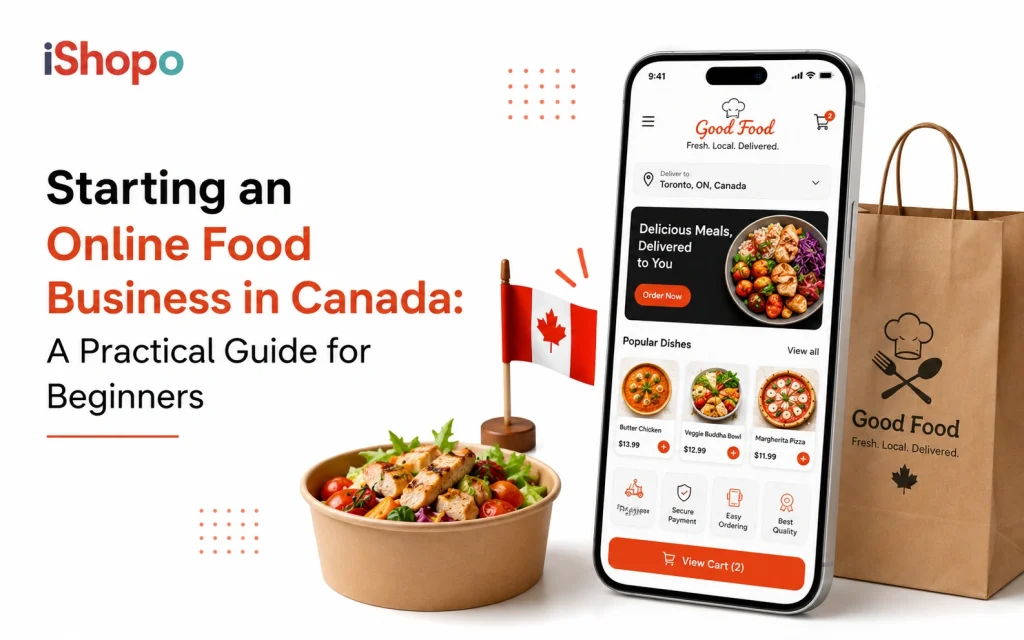

Starting a food business usually brings a tiny mix of excitement and panic. You picture people enjoying your dishes while also wondering if you’ll end up drowning in rules and permits. And honestly, that’s a pretty normal thought for anyone hoping to build an online food business in Canada because the learning curve feels steep at first glance. Still, the idea stays in your mind like a song hook.
Some people jump into this space for extra income. Others do it because their kitchen has always felt like a little workshop where ideas come up until they taste just right. I’ve seen beginners overthink everything in the first week. Yet once they get rolling, they start smiling at the tiniest wins, like their first real order from someone who isn’t a family member forced to be supportive.
The fun part is you don’t need a huge setup or some fancy chef story. You simply want patience, tiny steps, and perhaps a greater experience of humor for the days when packaging tape sticks in all places except the place you prefer it to. If you’re curious about getting your start, continue to be with us. This guide might be the nudge you needed.
TL;DR
- You can begin an online meals business in Canada, even with limited resources, if you follow the rules and plan carefully.
- Picking a strong niche keeps you from blending in with thousands of similar brands.
- Food safety and clear packaging matter more than people assume.
- Marketing shapes your reach much faster than any single recipe.
- Growth depends on patience, better tools, and treating customers with care.
Key Points
- Canada offers a solid market for homemade and specialty food sellers.
- Rules might look heavy, but once learned, they feel routine.
- Good branding helps folks trust you before tasting anything.
- Delivery speed builds more loyalty than big discounts.
- Tools save time, especially when your order count slowly jumps.
Why Should You Start an Online Food Business in Canada?
Starting small in Canada shows how food ideas can grow when people truly enjoy what you make. And when you compare that energy to different markets, you start noticing similar chances elsewhere. This leads smoothly into why building an online food business in Canada also feels possible.
1. Growing Love For Homemade And Specialty Food
People in Canada enjoy trying homemade meals, snacks, and small-batch treats because they feel more personal than store-bought items. This growing interest gives new sellers a fair chance. You don’t need a giant setup to begin. If your food tastes good and feels thoughtful, customers slowly gather around your brand. Many folks look for comfort food or something unique, and your dishes might fill that exact spot for them.
2. Low Starting Cost For Beginners
Starting small feels easier in Canada because you don’t always need a fancy kitchen or a massive team in the beginning. An easy setup, some fundamental tools, and constant planning can take you far. Instead of demanding large loans, you can develop step by step with the aid of steps while retaining your low risk. This gradual and manageable course helps new proprietors continue to feel assured, without feeling overwhelmed by way of early financial stress.
3. Flexible Hours That Fit Real Life
One of the best parts about running an online food business in Canada is choosing your own timing. Many people start while working another job or studying because they can cook during quiet hours. You achieve extra control over your day, and that freedom makes the work sense much less heavy. When your agenda suits your comfort, your creativity grows, and that regularly displays in the ingredients you make.
4. Strong Online Demand And Repeat Customers
Canadians order food online very often now, and this habit keeps growing. Once someone enjoys your food, they usually come back without being pushed. They tell friends, leave small reviews, or post pictures, which helps your business grow naturally. This repeated support gives stability and makes all the long nights worth it. When people find comfort in something you cooked, it builds a warm cycle of trust.
5. Chance To Express Your Culture Or Story
Food includes memories, feelings, and bits of your very own journey. An online meals commercial enterprise in Canada lets you share your culture, your family dishes, or the recipes you grew up eating. People enjoy learning the story behind a meal, and these tiny details help your brand feel alive. Your food becomes more than just food. It becomes a piece of you, reaching someone’s table and making their day a little nicer.
6. Opportunity To Turn Passion Into Income
A lot of people love cooking but never imagine turning it into something that pays. When you start slowly, you realize your skills can actually bring money while still giving joy. It’s not about becoming a huge brand overnight. It’s about building something that grows with you. Running an online food business in Canada lets you turn your hobby into a steady side income and sometimes even a full-time dream.
Also Read: iShopo – Best Online Food Ordering Software for Restaurants
How to Start an Online Food Business in Canada?
Below are the major steps human beings observe when constructing an online meals business in Canada. Each one appears huge at first; however, they will start making sense once you begin:
1. Legal Rules to Follow
Understanding basic legal rules gives your business a clean start. You don’t need to panic over paperwork because most of it is straightforward once you read it slowly. A simple license, kitchen approval, and a few province-based forms help you run safely. When this part is complete, you feel lighter and ready to focus on the real cooking.
Legal Considerations
- Get a simple business license first.
- Check whether your province allows home kitchens.
- Apply for extra permits if you sell perishables.
- Keep copies of every approval.
- Update documents when rules change.
2. Managing Food Safety Standards
Food safety builds the trust that every online food business needs. Clean habits guard clients and help you keep your kitchen going for walks easily, even on chaotic days. Learning protected temperatures, storage methods, and simple hygiene keeps you out of trouble. Once you grasp these small routines, your self-belief grows, and clients sense it is safer ordering from you again.
Safety Steps
- Complete a food handler certificate.
- Store ingredients in separate sealed containers.
- Track cooking temperatures daily.
- Clean surfaces before and after each batch.
- Avoid cross-contamination at all times.
3. Defining Your Food Niche
Your food niche shapes how people recognize your brand. Choosing one clear direction makes planning easier and saves money on ingredients. When you cook dishes you genuinely enjoy, customers feel that honesty. A focused menu also helps you understand your buyers’ tastes faster. Over time, your niche becomes a strong identity that people remember.
Niche Ideas
- Pick dishes you can cook consistently.
- Test recipes before finalizing your menu.
- Keep your niche small and simple.
- Match your niche with your skills.
- Adjust based on customer feedback.
4. Branding, Packaging, and Labels
Branding offers your commercial enterprise a persona long before any individual tastes your food. Colors, fonts, and easy emblems assist humans in sensing related to your style. Packaging protects your ingredients and keeps them presentable on arrival. Labels exhibit honesty through listing substances and allergens clearly. All these important points create trust, warmth, and a memorable first impression.
Brand Touches
- Use simple, clean packaging.
- Add clear ingredient labels.
- Keep the branding style consistent.
- Choose colors that match your vibe.
- Add small, personal notes occasionally.
5. Build Your Online Store
Your online store becomes your main shop window, so it needs to feel easy and friendly. Customers should understand your menu, delivery zones, and pricing without confusion. Clear photos and simple checkout steps keep buyers from dropping off halfway. When your online store is smooth, customers feel comfortable returning again and again.
Store Basics
- Use a beginner-friendly platform.
- Keep your menu clean and short.
- Add real, natural-looking food photos.
- Test your checkout process often.
- Show delivery areas clearly.
6. Shipping and Delivery Essentials
Delivery shapes customer experience as much as the food itself. Meals ought to arrive fresh, sealed, and on time. A clear transport format saves you from panicked, last-minute fixes. Using insulated bags, desirable timing, and open conversation keeps your shoppers satisfied. When shipping runs smoothly, clients have confidence in you to deal with their meals with care.
Delivery Tips
- Use insulated bags for freshness.
- Plan routes before leaving.
- Seal all containers tightly.
- Send updates during delays.
- Track delivery times daily.
7. Smart Marketing Strategies
Marketing helps people discover your food even before they taste it. You don’t need flashy ads. Honest behind-the-scenes posts, simple videos, and friendly storytelling work better. Sharing your kitchen moments builds connection. When people enjoy your presence online, they naturally become curious about your dishes and start ordering.
Marketing Moves
- Post regularly on social media.
- Share cooking clips or simple tips.
- Encourage customers to review you.
- Reach out to micro influencers.
- Keep your tone warm and real.
8. Customer Service and Growth
Good customer service helps your business grow without fancy tricks. People like it when you reply quickly and speak like a real human, not a script. Mistakes happen, but solving them kindly builds loyalty. Over time, positive experiences turn small buyers into repeat customers who support your business without you asking.
Service Habits
- Reply fast and politely.
- Offer solutions instead of excuses.
- Thank customers genuinely.
- Ask for feedback often.
- Track regular buyers and treat them well.
Read Also: Best Restaurant Ordering Systems For Food Businesses
Key Features of an Online Food Business in Canada
Before you jump into starting anything, it helps to know what really shapes your online food business in Canada. These features guide your daily work and slowly build the foundation your brand stands on.
1. Clear Business Focus
A clear focal point helps you keep away from imparting too many dishes and puzzling customers. When you determine what your meal enterprise genuinely stands for, your choices begin feeling easier. You sketch better, purchase solely the components you need, and communicate with humans who choose your style of food. Many novices attempt to be desirable to everybody and end up alluring no one. Staying centered makes your manufacturer experience assured, as a substitute for messy, and clients have faith in manufacturers that seem to be certain about what they offer.
2. Strong Online Presence
A strong online presence gives your food business its first impression before anyone tastes your meals. People want to see pictures, read a short story about you, and understand what you sell. A clean website or ordering page builds trust instantly. When customers can browse easily without feeling lost, they stick around longer. Social media adds personality to your brand and shows your daily effort. All these small digital pieces create a friendly doorway into your food world.
3. Reliable Food Quality
Food best decides whether or not a client returns or disappears. Even if your menu is small, a constant style builds greater loyalty than a large menu with uneven results. People choose ingredients they can depend on, particularly when ordering online. Keeping your flavors steady, coping with elements with care, and fending off rushed shortcuts make a larger distinction than fancy packaging. When customers believe in your food, they begin recommending you without you even asking for it.
4. Safe Kitchen Practices
Safe kitchen habits shield both you and your customers. Simple matters like preserving clean surfaces, storing elements correctly, and monitoring cooking temperatures can forestall a lot of problems. Canada takes meal security seriously, so following the policies helps you avoid hassle while displaying to clients that you deal with their fitness with respect. Once these habits grow to be a phase of your day-to-day routine, your kitchen runs extra smoothly, and your self-belief grows naturally.
5. Thoughtful Packaging Style
Your packaging creates emotions long before someone tastes the meal. If something arrives messy or leaking, customers quickly lose trust. But when the packaging feels neat, sturdy, and easy to open, it sends a message of care. Labels with ingredients and allergens help people feel safe. Even small notes or simple designs can turn a basic order into a warm experience. Good packaging isn’t just protection; it becomes part of your brand identity.
Also Check: Why Restaurants Prefer White Label Food Delivery & Ordering Apps
Cost of Starting an Online Food Business in Canada
Starting an online food business in Canada typically costs 600 to 1,500 USD, covering permits, safety prep, branding, packaging, store setup, marketing, and delivery essentials. In the following table, you can see the cost for every stage of starting an online food business in Canada:
| Stage | Estimated Cost (USD) |
| Legal Cost | 100 – 300 USD |
| Food Safety Standards | 150 – 300 USD |
| Defining Your Food Niche | 50 – 250 USD |
| Branding, Packaging & Labels | 70 – 250 USD |
| Build Your Online Store | 40 – 180 USD + monthly fees |
| Shipping & Delivery Essentials | 120 – 250 USD |
| Smart Marketing Strategies | 40 – 150 USD |
| Customer Service & Growth | 20 – 80 USD |
Factors Affecting the Cost of Online Food Business in Canada
Several things quietly shape how much you end up spending when starting an online food business in Canada. Once you understand these factors, planning becomes easier, and you avoid surprises that push your budget around.
- Ingredient Quality: Better ingredients usually cost more, but they also help you deliver food people trust. Prices shift based on season, suppliers, and where you live. Balancing quality with smart sourcing keeps your dishes consistent without stretching your budget too far.
- Packaging Choice: Packaging affects cost more than new sellers expect. Eco-friendly boxes, jars, and labels add up quickly, especially in the early stage. Picking safe but simple packaging helps you stay within budget while still giving customers something neat and reliable.
- Delivery Method: Your delivery style influences the cost each day. Hiring couriers brings predictable fees, while doing it yourself adds fuel, time, and equipment expenses. The size of your delivery zone also matters, so planning routes carefully reduces stress and unnecessary spending.
- Online Store Platform: Different store platforms come with different monthly fees, design features, and payment charges. Some work well for beginners, while others feel heavier on the wallet. Choosing a platform that matches your actual needs saves money and avoids tools you never use.
- Marketing Efforts: Marketing can stay cheap or become pricey depending on how fast you want growth. Free posts and simple videos work well early, but ads and influencer work add cost. Balancing organic reach with small paid boosts keeps spending comfortable.
- Tools and Equipment: Basic tools like thermometers, storage bins, and order tracking apps seem small, but they slowly add to your setup cost. Choosing simple, reliable items helps you run smoothly without overspending on fancy gear you don’t really need.
Also Read: How Food Online Ordering Systems Empower Restaurants
Tips to Save Cost of Online Food Business in Canada
Running an online food business in Canada doesn’t always need a big budget. Most beginners learn small tricks that save money without hurting quality. These practical tips help you stretch resources, avoid waste, and grow at a pace that actually feels comfortable.
- Start with a Small Menu: Starting with a small menu keeps things easier and cheaper. You avoid buying extra ingredients and wasting food. It also helps you learn what customers actually enjoy before expanding slowly.
- Buy Ingredients in Bulk: Buying in bulk cuts your costs and keeps your kitchen stocked longer. You get better deals from suppliers and reduce extra store trips. Just plan your storage so nothing goes to waste.
- Choose Affordable Packaging: Affordable packaging protects your food without draining your budget. Simple boxes or jars work just fine for beginners. You can add a personal touch later once your sales grow steadily.
- Use Free Design Tools: Free design tools help you create clean menus and posts without hiring anyone. They make branding easier even when you’re new. You save money while still looking professional online.
- Avoid Paid Ads Early: Skipping paid ads early keeps your budget safe. Share honest moments and cooking clips to reach people naturally. Organic engagement teaches you what works before you spend anything.
Saving money while running your online food business in Canada is really about small choices that add up over time. Once you start working smarter, the whole process feels lighter. Keep experimenting gently, and you’ll find your own rhythm that fits both your budget and your growth.
Conclusion
If you take a moment to really think about it, an online food business in Canada seems like one of those ideas just meant to come true. It basically starts with the smallest of sparks, a dish everyone keeps talking about, and eventually, it slowly turns into something tangible. There are definitely some rough days along the way, but the feeling of making people you don’t know happy with something you’re the creator of is priceless. After that, if you manage to find your rhythm, the whole thing actually turns out to be much more thrilling and far less intimidating.
If you ever feel stuck with the tech side or want a smoother way to manage orders, tools built for small food sellers can save so much time. Many beginners explore platforms like iShopo, mostly because it keeps things simple while you focus on cooking the food people love.
FAQ
1. Can I start a food business from home in Canada?
In a great number of areas in Canada, the answer is yes; you are allowed to initiate a food business at your residence. Nevertheless, the guidelines fluctuate from one province to another. Adhering to meal protection requirements is a must, as is properly preserving cleanliness in your kitchen and acquiring approvals if they are necessary. When all is in order, and you have been given the inexperienced light, you are free to promote small parts blissfully.
2. Which food business is most profitable in Canada?
Meal prep services, baked goods, cultural dishes, and specialty snacks often earn well because demand stays steady. Many people want quick meals or unique flavors they can’t find everywhere. Profit grows faster when you keep your menu simple, control costs, and build loyal customers who order again.
3. How much does a food license cost in Canada?
The price relies upon your province and the kind of meals you sell. Some licenses are under a hundred dollars, whilst others are priced higher if inspections or exclusive lets are required. It’s constantly high-quality to test neighborhood guidelines, so you don’t spend more than necessary.
4. How much does it cost to open a small restaurant in Canada?
Opening a small restaurant can cost somewhere from $80,000 to over $150,000. Expenses encompass rent, equipment, licenses, insurance, and early personnel wages. Costs push upward fast, which is why many humans take a look at their thoughts on online meal income earlier than taking on a full restaurant.
5. How much money do I need to start a small food business?
You can begin a very small meal enterprise with $500 to $5,000, relying on what you sell. Most of the value goes into ingredients, packaging, permits, and constructing your online store. Starting small helps you analyze without risking too much cash early on.